October 26, 2026
Insulation work often begins with a comfort problem rather than a clear understanding of what needs to change. A bedroom stays chilly, an upstairs room becomes uncomfortable in summer, or indoor temperatures vary more than expected. Although these concerns can have several causes, insulation is one part of the building that deserves attention when heated or cooled spaces struggle to stay comfortable. Its location and condition matter just as much as whether the building has any insulation at all.
Hiring an insulation contracting service gives property owners a way to connect those symptoms with the condition of their insulation. The work may involve improving existing coverage, insulating an overlooked area, or replacing material that no longer performs adequately. Knowing what to expect helps make conversations about the project more useful, from the initial assessment through installation.
An Assessment That Connects Symptoms With Conditions
An initial assessment should establish where insulation is present, how well it covers the intended areas, and whether its condition supports an upgrade. Attics, exterior wall cavities, basements, and crawl spaces present different challenges because their construction and exposure differ. A room that feels uncomfortable does not automatically identify the location of the problem. Looking at the surrounding building areas helps connect everyday complaints with possible weaknesses in thermal protection.
Property owners can contribute by describing when discomfort occurs and which spaces are most affected. For example, an upstairs room that overheats on summer afternoons provides different context than a consistently cold floor above a crawl space. An insulation contracting service can use these observations alongside its assessment when recommending work. The discussion should also acknowledge that insulation alone may not resolve every source of uneven temperatures.
A Defined Scope Before Work Begins
The proposed work should distinguish between adding insulation and removing material before replacement. Those are different projects, even when both aim to improve the same area of a building. Existing insulation may be suitable to remain in some situations, while its condition may justify removal in others. Property owners should understand which approach is recommended and the reason behind it before installation begins.
A useful scope also identifies the areas included in the project so that a targeted improvement is not mistaken for a whole-building upgrade. An attic project, for instance, does not automatically include exterior walls or a basement. An insulation contracting service focused on one area should have a clear purpose that relates to the original comfort concerns. Clarifying whether adjacent spaces are included is particularly useful when several rooms share the same temperature problem but have different construction conditions. Clear limits help establish realistic expectations about which parts of the property the work is intended to improve.
Material Choices Explained in Practical Terms
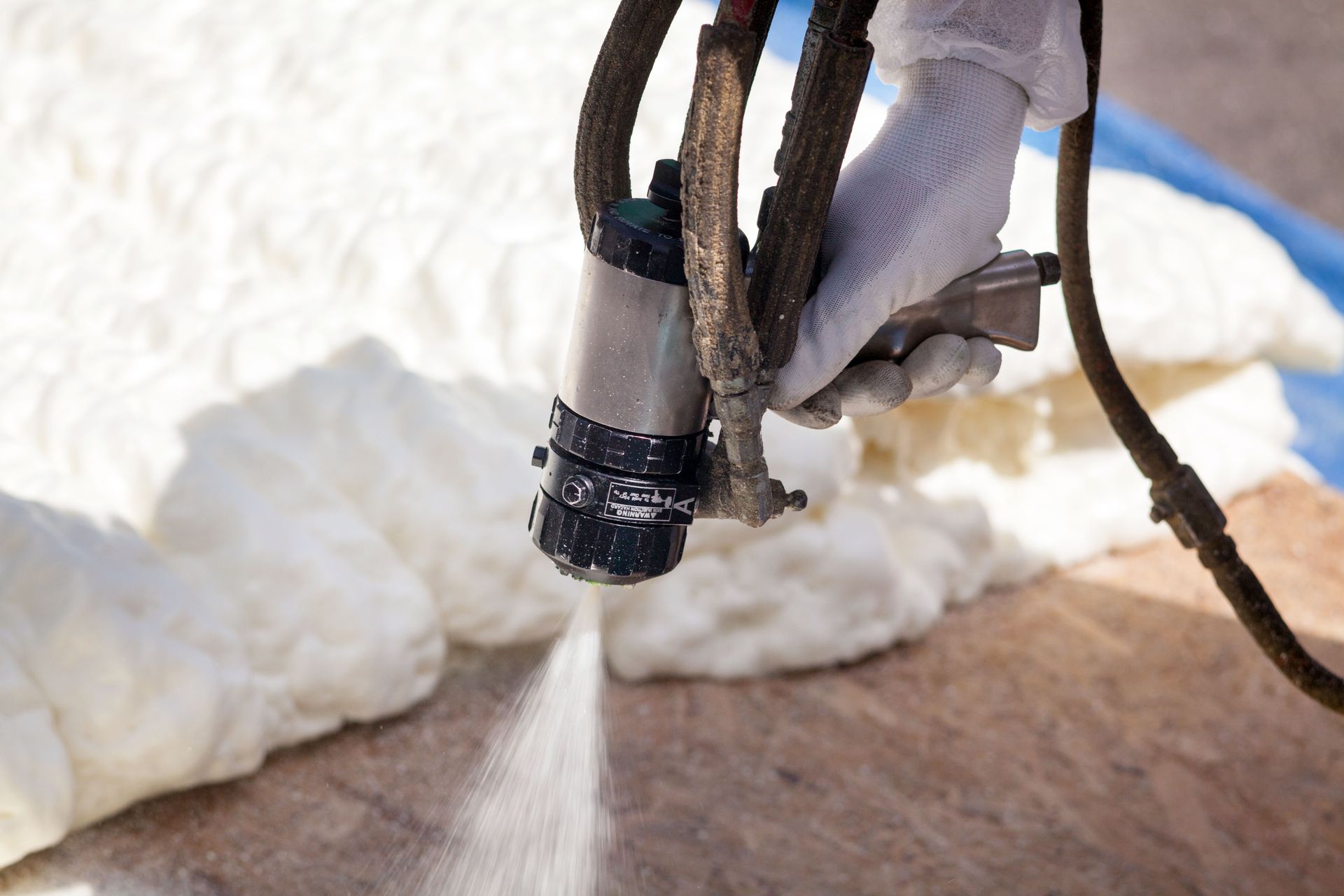
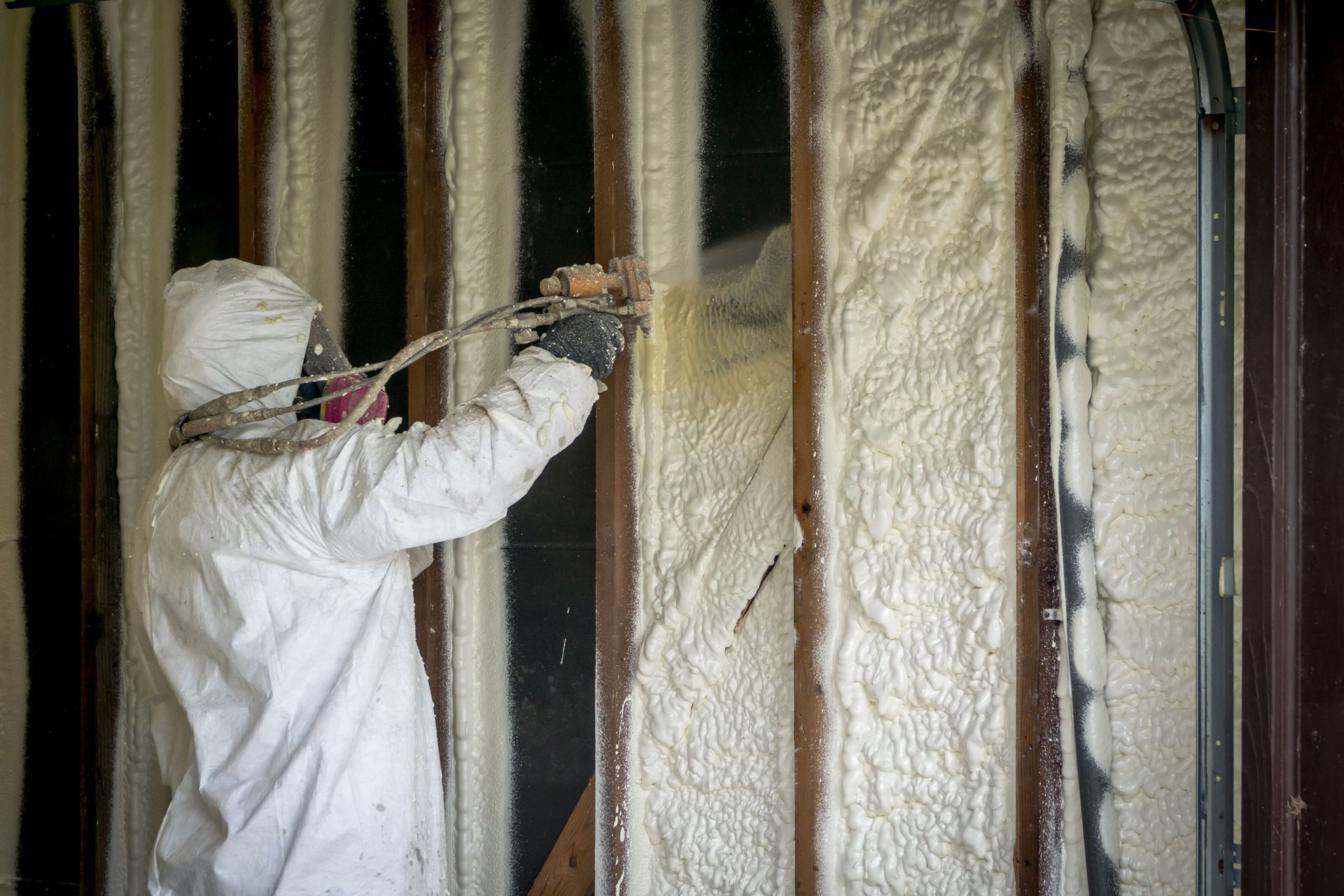
Insulation is available in different forms, and the application method matters alongside the material itself. Blown-in products can provide coverage across attic areas or fill suitable cavities, while batts are sized for placement between framing members. Spray foam is applied differently and may suit particular building conditions. A recommendation should explain why the proposed option fits the space rather than treating every product as interchangeable.
Thermal resistance, commonly expressed as an R-value, describes how strongly insulation resists heat flow. However, choosing a product involves more than comparing that number because the available space and installation conditions also matter. Material selection is an important part of an insulation contracting service because the product must suit the area being treated. An explanation of how the material fits those conditions gives property owners a clearer basis for understanding the recommendation without requiring them to become familiar with every technical detail.
Access Arrangements That Fit the Property
Installation requires access to the areas being treated, which can affect how a household or business uses the building during the project. Attic entrances, crawl space openings, and routes for equipment may need to remain accessible while work proceeds. Discussing these practical details ahead of time helps prevent confusion on installation day. Property owners should know which rooms or entrances may be affected and when access will be needed.
The extent of disruption depends partly on where the work takes place. An accessible attic presents different logistical demands than insulation within an existing wall assembly, where the installation approach needs clarification. Questions about equipment placement, movement through occupied rooms, and cleanup belong in this conversation. Professional work still involves activity around the property, so a realistic explanation is more useful than an expectation of no interruption at all.
A Schedule Based on the Actual Work
According to HomeGuide, a typical insulation installation may take anywhere from two hours to two days, with crew size and project requirements influencing the duration. That range helps explain why a small, accessible installation and a broader replacement project should not carry the same scheduling expectations. Removal, the number of areas involved, and access conditions can all affect how the work is organized. The relevant estimate is the one tied to the property's proposed scope.
Scheduling an insulation contracting service involves more than establishing how many hours installers will spend at the property. Arranging an assessment and receiving an estimate are separate steps, so a quick estimate does not mean the physical work will begin or finish within that same period. Ask when the work is expected to start, how long access will be needed, and what might change the schedule. Those details make it easier to plan ordinary activities around the installation.
Installation That Prioritizes Consistent Coverage
Insulation performs as part of a continuous separation between spaces with different temperatures. Gaps, uneven distribution, or material compressed beyond its intended fit can reduce the benefit of an otherwise suitable product. Professional installation should address how insulation fills the designated area, including locations around framing and other obstructions. The goal is appropriate coverage throughout the agreed space rather than simply adding a visible layer of material.
Different applications require different handling, so the work will not look identical on every project. Blown-in insulation is distributed with equipment, while batts require attention to fit within the available framing spaces. Spray foam follows its own application requirements, which should be explained before work begins. In an existing building, the chosen method also needs to account for features already in place, rather than assuming every surface is open and accessible. Understanding those differences helps property owners recognize why installation practices and access arrangements vary with the selected product.
Clear Expectations After Completion
Once installation is complete, property owners should receive an explanation of what was done and any instructions relevant to the installed material. This is also an appropriate time to clarify the areas treated and ask about anything that differed from the original scope. Cleanup arrangements should be understood before the project closes. A finished job is easier to assess when the completed work can be connected to the initial recommendation.
Comfort improvements may become easier to notice as outdoor conditions place greater demands on heating or cooling. Changes in utility use, however, also depend on weather, thermostat settings, occupancy, and other building conditions. A single bill cannot isolate the effect of insulation from all those variables. The more useful expectation is improved resistance to heat movement in the treated areas, with the overall experience shaped by the property as a whole.
A well-planned insulation project replaces uncertainty about uncomfortable spaces with a clearer understanding of what can be improved. Knowing the purpose and limits of the work makes the finished result easier to understand without expecting one upgrade to resolve every building concern. At Black Gold Inc., we assess insulation needs and install materials suited to the property, including upgrades and replacement work. Contact us to discuss an insulation contracting service for the areas that need attention.